
Dementia affects more than memory—it touches every part of life, including how we eat, how we move, and how we connect. For aging adults and every concerned family member, the good news is that something as simple and essential as nutrition can significantly impact dementia care. At home or in a senior living community, the right foods can help individuals reduce the risk of decline, boost cognitive functions, and stay more engaged in life.
What Steps Can Seniors Take to Stay Independent at Home?
Living independently as long as possible is the goal for many seniors. Maintaining independence begins with a proactive approach to overall health. This includes staying physically active, fostering social connection, managing chronic diseases, and of course, eating a balanced, brain-supportive diet. Healthy meals, physical activity, and staying connected with family and friends are all steps that can help seniors delay the need for higher levels of care and continue living independently for as long as possible.
How Does Physical Exercise Help Maintain Independence in Aging?
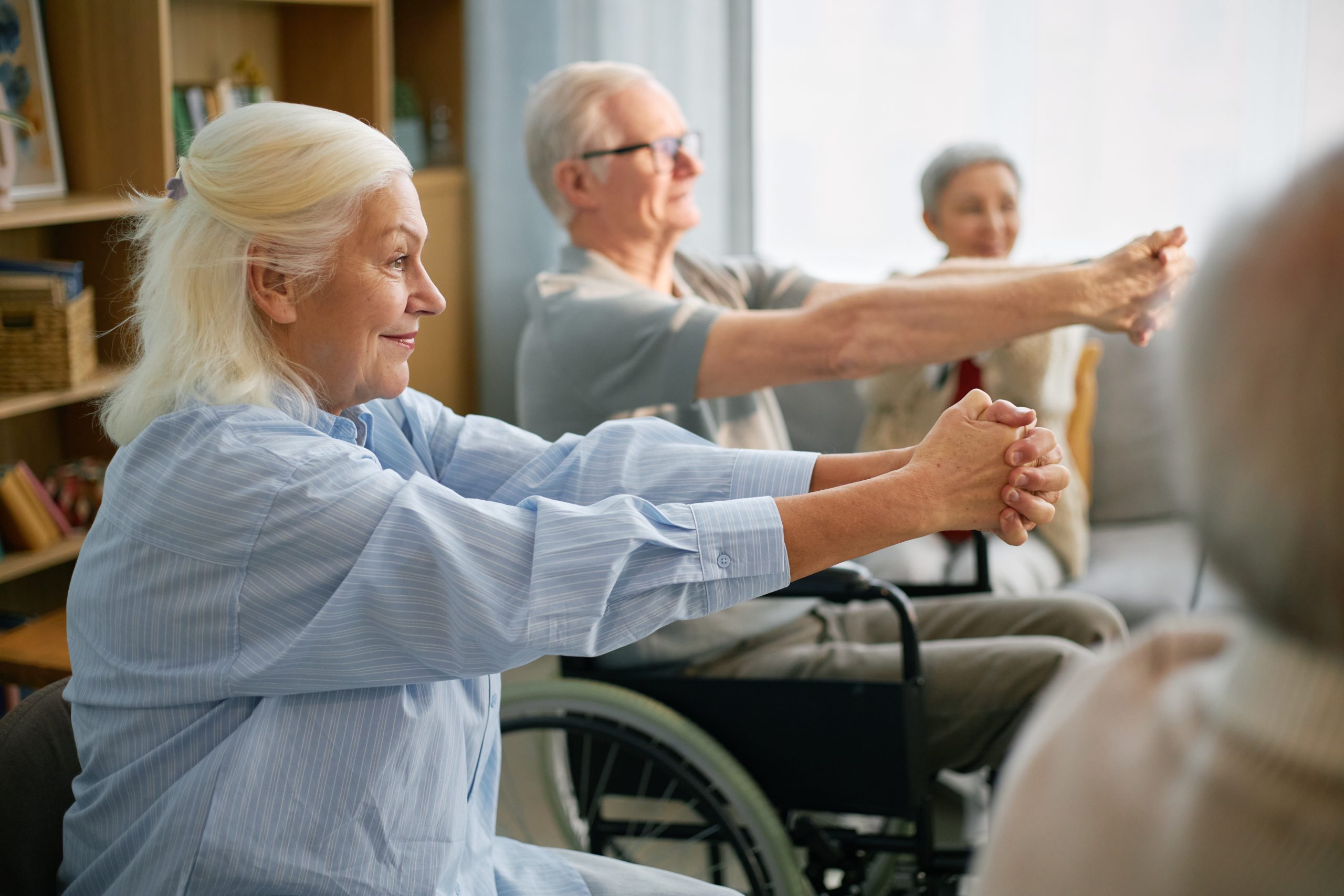
A moving body is a thriving body. Regular exercise reduces the risk of falls, enhances coordination, and lifts mood. It keeps blood flowing to the brain and muscles, helping preserve cognitive functions and confidence—two essentials for living independently and staying connected.
What Role Does Nutrition Play in Supporting Senior Independence?
The brain is hungry for the right fuel. Diets rich in whole foods, like the Mediterranean and MIND diets, are shown to reduce the risk of Alzheimer’s and other forms of dementia and support better day-to-day function. Leafy greens, berries, legumes, fish, and olive oil are more than healthy—they’re protective.
Nutrition matters even more once dementia has been diagnosed. Poor eating habits can worsen confusion, fatigue, and even aggression. Balanced meals improve attention, mood, and energy. In many cases, good nutrition reduces the need for medication reminders and supports better overall routines.
For seniors with memory challenges, meals that are familiar and easy to consume can be comforting and nourishing. In a senior living community, meals are often thoughtfully designed to support overall health and memory care goals. Group dining also encourages social engagement and helps residents stay socially active, giving food a double purpose: nourishment and connection.
How Can Technology Assist Seniors in Living Independently?
Innovative technologies offer timely support, from medication reminders to digital calendars and smart kitchen appliances. These tools empower older adults to manage routines safely and confidently. They are particularly valuable for seniors who are living at home with mild cognitive impairment, giving peace of mind to both the individual and their family members. They also help family members stay informed and involved.
What Home Modifications Promote Safety and Independence for Seniors?
Environmental adjustments like grab bars, motion-sensor lighting, and simplified kitchens can make a big difference. For those with dementia, clear signage, and color-coded cues can help reduce confusion and support daily living tasks, which enhances safety and overall health.
When paired with good nutrition, these changes help seniors confidently prepare meals and move through their homes safely, reducing the risk of falls and hospitalizations.
How Does Mental Health Affect Independence as You Age?
Depression, anxiety, and isolation are common in older adults, and they can all undermine independence. Nutrition that supports gut health, reduces inflammation, and stabilizes blood sugar also supports emotional well-being. Nutrients like omega-3 fatty acids, vitamin D, and B vitamins can also lift mood and sharpen memory. When combined with therapy and social connection, it forms a powerful foundation for sustained autonomy.
What Community Resources Help Seniors Stay Independent?
Meal delivery services, grocery assistance, and cooking classes can help seniors meet their nutritional needs while living at home. Adult day centers and senior programs offer not only support but also chances for social engagement, which fuels better eating habits and a sense of purpose.
How Can Social Connections Support Independent Living for Seniors?
Staying connected through hobbies, spiritual activities, and time with family and friends helps seniors feel valued and stimulated. Sharing a meal with family and friends or neighbors provides more than comfort. It encourages eating well, staying active, and avoiding isolation.
Whether it’s weekly dinners, game nights, or lunch in a senior living community dining room, social connection is a key ingredient in healthy aging. This reduces loneliness, strengthens cognitive functions, and supports living independently.
What Financial Planning Tips Help Seniors Maintain Independence?
Planning ahead for medical care, food costs, and living expenses is vital. Nutritious food can be affordable with smart budgeting, but it requires foresight. A trusted family member or financial advisor can help aging adults stay secure, supported, and independent.
Thoughtful financial planning can also ensure that aging adults can afford in-home care, home upgrades, or eventually, high-quality assisted living. It’s vital for every family member to have open conversations about future care needs, budgets, and estate planning.
Senior Assisted Living at The Manor Village
We understand that good health begins with good nutrition. Our wellness-focused dining programs are designed to support memory care, enhance overall health, and encourage social engagement. For those managing dementia, our compassionate team provides personalized support from customized meals to thoughtful routines.
Our approach promotes independence and enhances overall health every step of the way. If you’re a family member searching for a place where your loved one can thrive, we invite you to explore how our community combines comfort, connection, and care. Because growing older shouldn’t mean giving up on quality of life. It should mean embracing it with confidence, support, and dignity.