Aging brings natural changes to the brain. Processing slows. Memory recall weakens. Attention spans shorten. These shifts happen to most people.
Mental stimulation counters them. Regular brain engagement helps preserve cognitive abilities. It supports independence in daily routines. Quality of life stays higher longer.
Research shows that active minds experience less decline. Cognitive stimulation builds reserves that buffer changes. People stay sharper. They manage tasks better.
How Brain Activity Supports Cognitive Health in Seniors
The brain remains changeable. This property is neuroplasticity. Even in later years, new connections form with use.
Mental stimulation drives this process. It strengthens pathways tied to memory and reasoning. Engagement preserves function longer.
Studies link consistent activity to slower decline. Stimulated brains maintain better brain function. They adapt to aging demands. This keeps seniors capable and confident.
Best Cognitive Activities for Seniors to Keep the Brain Active
Simple games offer a strong impact. They challenge focus and recall without complexity.
- Puzzles, crosswords, and word games sharpen vocabulary and logic. Regular play boosts processing speed.
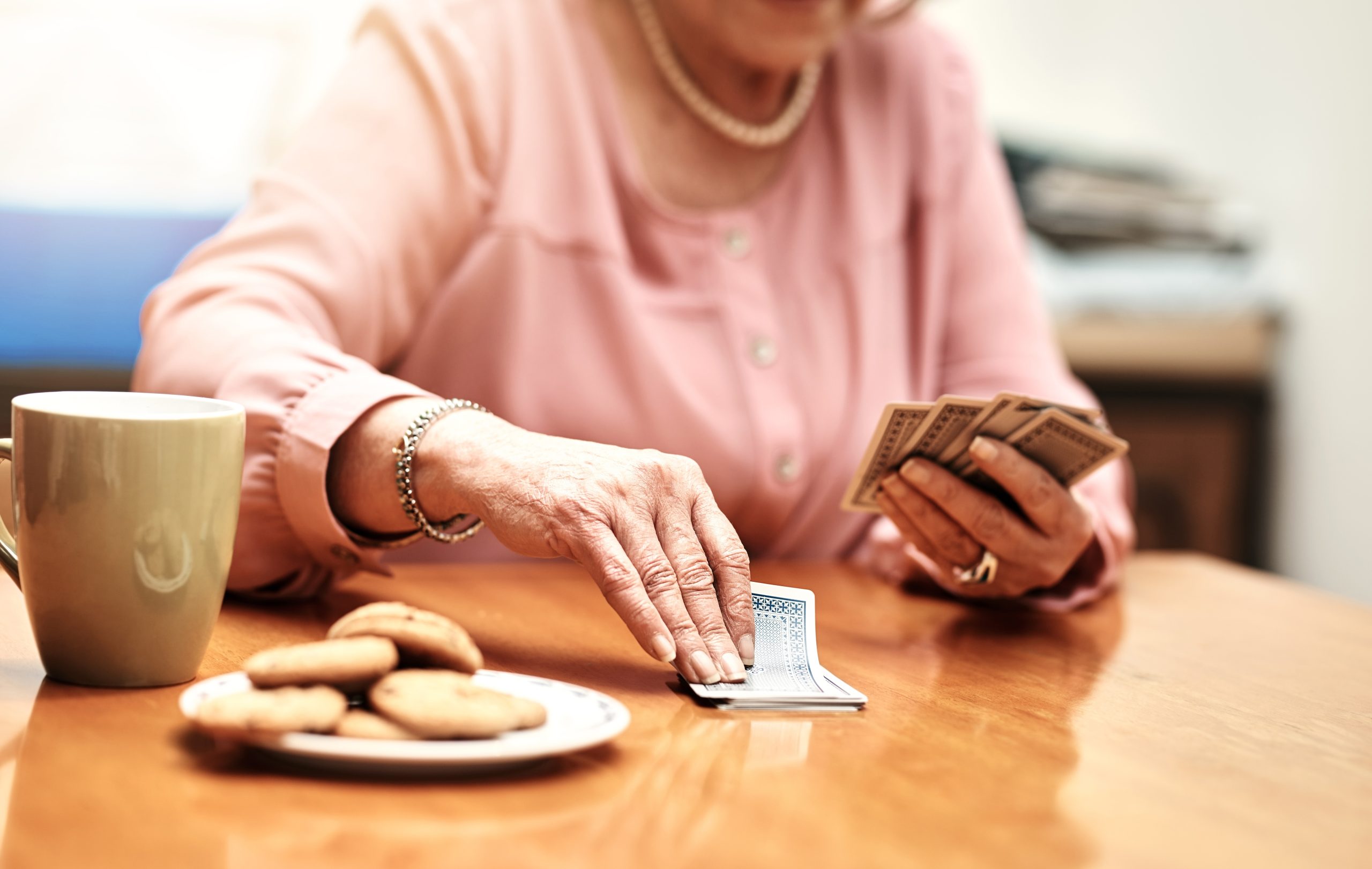
- Strategy games like chess or card games build planning and decision-making. They demand foresight.
- Reading and storytelling engage imagination. They reinforce comprehension and narrative memory.
Jigsaw puzzle assembly improves spatial skills. It rewards patience and detail.
These keep the brain active. They deliver cognitive benefits quickly.
Creative Cognitive Activities That Strengthen Brain Function
Hands-on pursuits spark multiple areas.
Painting and creative arts enhance visual thinking. They foster expression.
Music and singing activate memory and emotion. Listening or performing revives old pathways.
Learning new skills—a language, instrument, or craft—creates fresh connections. It drives neuroplasticity.
These activities provide mental stimulation. They often bring joy and a sense of purpose.
Social Activities That Improve Cognitive Health in Older Adults
Interaction adds layers. Conversation demands quick thinking and listening.
- Group discussions and book clubs build verbal skills. They encourage sharing ideas.
- Community classes and lectures expose new information. They spark curiosity.
- Volunteer opportunities combine purpose with engagement. They link people.
Social activities pair cognitive stimulation with emotional support. They improve cognitive function while lifting mental health.
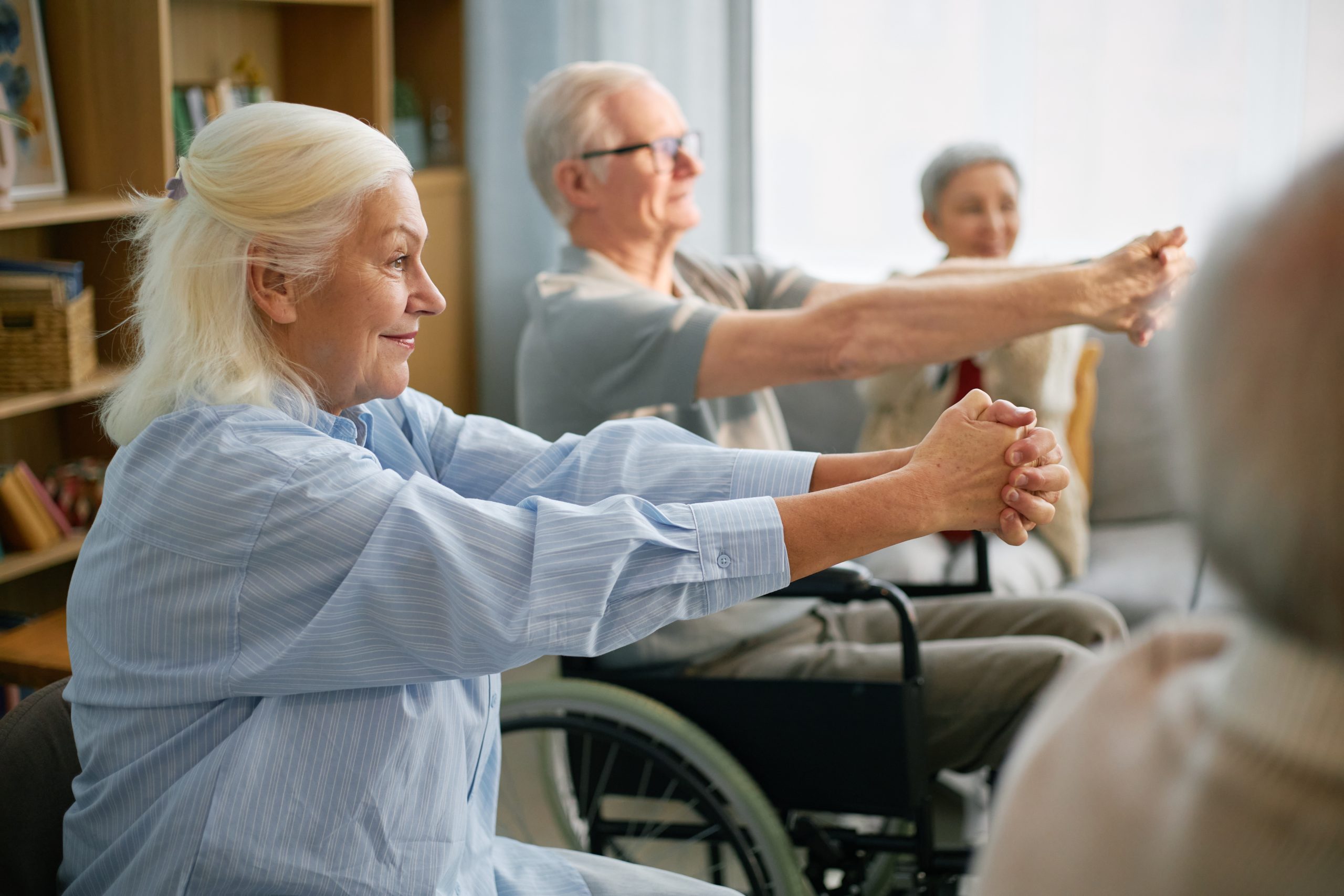
Physical activities and physical exercise complement them. Movement increases blood flow to the brain. It supports overall sharpness.
Cognitive Activities Designed for Seniors with Memory Loss
Milder impairment needs gentle approaches. Focus on comfort and success.
Reminiscence therapy uses photos or music to recall personal stories. It strengthens long-term recall.
Sensory activities and guided engagement involve touch, smell, or sound. They prompt responses safely.
Structured memory games offer repetition. They build confidence gradually.
These slow decline. They maintain dignity and connection.
How Senior Living Communities Encourage Cognitive Wellness
Structured settings help. Activity coordinators plan varied programs. Residents join easily.
Safe spaces remove barriers. Group formats encourage participation. Programs mix social activities, creative work, and games.
This setup promotes steady mental stimulation. It weaves engagement into everyday life.
Discover a community that keeps the mind active. The Manor Village offers tailored programs focused on cognitive stimulation and well-being. Contact them to learn more.
Discover a Community That Keeps the Mind Active at The Manor Village – Call to Action
The Manor Village designs daily life around brain health. Activity calendars feature puzzles, music sessions, art classes, book clubs, and group discussions. Staff guide participation so everyone finds something engaging. Residents report sharper focus and stronger social ties. Programs blend cognitive stimulation, social activities, and light physical exercise to support long-term wellness.
If you want a place where minds stay active and days feel meaningful, reach out to us at The Manor Village today.