
Being active is an important part of maintaining brain health. This must be kept at the forefront of our minds, especially as we age. Many studies have shown that regular physical activity can support cognitive function and even reduce the risk of dementia. This article explores the connection between exercise and dementia, what types of exercise are most beneficial, and how often older adults should engage in physical activity.
Can exercise prevent dementia?
While there is no guaranteed way to prevent dementia, research indicates that regular physical activity can positively impact cognitive function and overall mental health. A study published in medical journals highlights that those who engage in regular exercise experience higher levels of brain function as they age. Exercise increases blood flow to the brain, promotes neuroplasticity, and can slow down the rate of memory loss.
Regular physical activity is linked to improved working memory and executive functioning. This is essential for problem-solving and decision-making. By maintaining an active lifestyle, older adults may reduce their risk of developing types of dementia, including Alzheimer’s disease. Though it is not guaranteed, it should this advice should be followed, especially for those whose family members suffer from dementia.
What types of exercise are beneficial for cognitive health?
Not all exercise is created equal when it comes to enhancing brain health. Different types of exercise offer various health benefits, and combining them can maximize their effects.
Here’s a breakdown of effective exercises for cognitive support:
- Aerobic Exercises: Activities like walking, swimming, and cycling get the heart rate up and increase blood flow to the brain. Studies have shown that regular aerobic activities can improve cognitive function by enhancing the brain’s ability to process information.
- Resistance Training: Strength-based exercises help build muscle and improve overall physical strength. Resistance training, such as weightlifting, has been associated with improved working memory and executive functioning.
- Tai Chi: This low-impact form of exercise combines movement with mindfulness. Practicing tai chi has shown potential health benefits for the brain, including stress reduction and improved balance, which can be particularly beneficial for older adults.
How often should one exercise to reduce the risk of dementia?
Consistency is key to achieving the benefits of exercise for brain health. Experts recommend at least 150 minutes of moderate-intensity aerobic activity per week, which can be broken down into manageable sessions, such as 30 minutes five times a week.
In addition to aerobic activity, incorporating resistance training two or more times per week can further bolster cognitive health and prevent muscle loss. Light, daily activities, like gardening or stretching, can also contribute to a more active lifestyle and enhance mental health.
Does physical activity improve memory in older adults?
Yes, physical activity can improve cognitive function and support working memory in older adults. Regular movement helps maintain synaptic connections in the brain and may delay cognitive decline. Studies have shown that participants who engaged in regular aerobic and strength training had improvements in memory and thinking skills compared to those who led more sedentary lifestyles.
The benefits of physical activity extend beyond just the physical realm. Exercise releases endorphins, which can boost mood and decrease feelings of anxiety, contributing to overall mental health and quality of life.
Are there specific exercise programs designed for individuals with dementia?
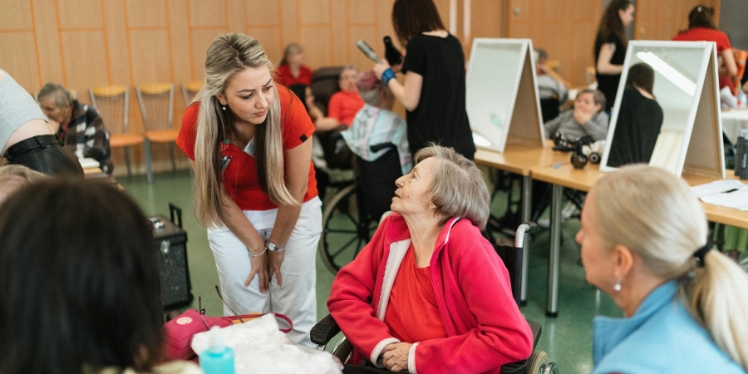
For persons with dementia, staying active is just as crucial. Specialized exercise programs are tailored to meet their unique needs, always focusing on safety and adaptability. These programs can be found in many dementia-friendly care facilities and senior centers. Activities are often modified to ensure the person lives in a comfortable and supported environment.
Programs that incorporate:
- Low-impact aerobic exercises
- Balance and coordination activities
- Social interaction through group classes
These programs are designed to keep a loved one safe and provide mental stimulation. They also allow friends and family to join, promoting bonding and social engagement.
Memory Care for Seniors at The Manor Village
The Manor Village is a beautiful, all-inclusive senior assisted living facility providing the extra support necessary for those with dementia. Our dementia-friendly community can give you and your loved one the rest and stability they need to thrive.