
Almost anyone can benefit from regular exercise. Because of the positive effects of exercise on the brain, regular movement can help lessen the symptoms of many forms of dementia.
How does the brain respond to exercise, and which types of exercises are most beneficial for a person with dementia? This article will break down the science and offer practical tips for application.
What Is Dementia and How Does It Affect the Brain?
Dementia is an umbrella term for several different kinds of memory-related diseases, and is caused by damage to brain cells that results in memory loss and impaired communication. Common types include Alzheimer’s disease, vascular dementia, and Parkinson’s disease.
These progressive conditions significantly impact daily life and cause the brain to gradually shrink as neurons die. An increase in confusion can cause mood shifts and agitation.
While there is no known cure for dementia, specialized clinical care can ease symptoms alongside non-medical interventions such as physical exercises.
Can Exercise Slow the Progression of Dementia?
Exercise can not only slow the progression of dementia, but also reduce the risk of developing memory-related illnesses for those who haven’t shown symptoms.
Current research suggests that even daily walks can preserve brain mass by boosting blood flow and oxygenation. While high-intensity workouts like cardio and strength training can help you stay fit and increase strength, you can still reap the benefits of exercise through daily low-intensity workouts. Consistency is what matters.
How Exercise Supports Brain Health in Seniors With Dementia
Daily exercise significantly improves and preserves brain function in seniors with dementia. There are many health benefits of exercise, especially for the brain.
Brain health benefits include:
- Improved blood flow
- Oxygen delivery to the brain
- Reduced inflammation
- Lowered stress hormones
- Boosted endorphins
- Enhanced neuroplasticity
A brisk walk, cycling, or resistance training are all exercises for seniors that can lead to improved mood and promote brain function. Aim for exercise several times a week in order to preserve brain health.
Benefits of Exercise for Dementia Beyond Memory
Outside of memory improvement, regular exercise can enhance the lifestyle of a person with dementia. The release of endorphins improves mood, while resistance training can steadily increase strength.
Non-memory benefits of exercise include:
- Improved balance and fall prevention
- Better sleep quality
- Reduced anxiety, agitation, and depression
- Increased confidence and sense of routine
- Enhanced social engagement
Daily exercise ultimately boosts confidence and independence by improving cognitive functions like processing speed and executive function. This allows for a maintained independence with daily routines such as bathing, dressing, and walking.
What Types of Exercise Are Best for Seniors With Dementia?
Seniors with memory-related illnesses should focus on low-intensity exercises that emphasize balance and mood. There are many ways seniors can stay active, but incorporating each exercise program into their routine will maintain overall health.
Low-Impact Aerobic Exercise
Exercises like walking, stationary cycling, and light swimming are great ways for seniors to maintain consistent activity. These forms of aerobic movement support brain and heart health by reducing inflammation and encouraging blood flow.
Strength and Resistance Training
Seniors can increase their strength through chair exercises, light weights, and resistance bands. Even with lighter weights, seniors can still greatly increase their strength with high-reps and consistency.
Strength training can combat age-related muscle shrinkage and increase bone density. With time, strength training can preserve the ability to complete daily tasks like carrying groceries and climbing stairs.
Balance and Flexibility Exercises
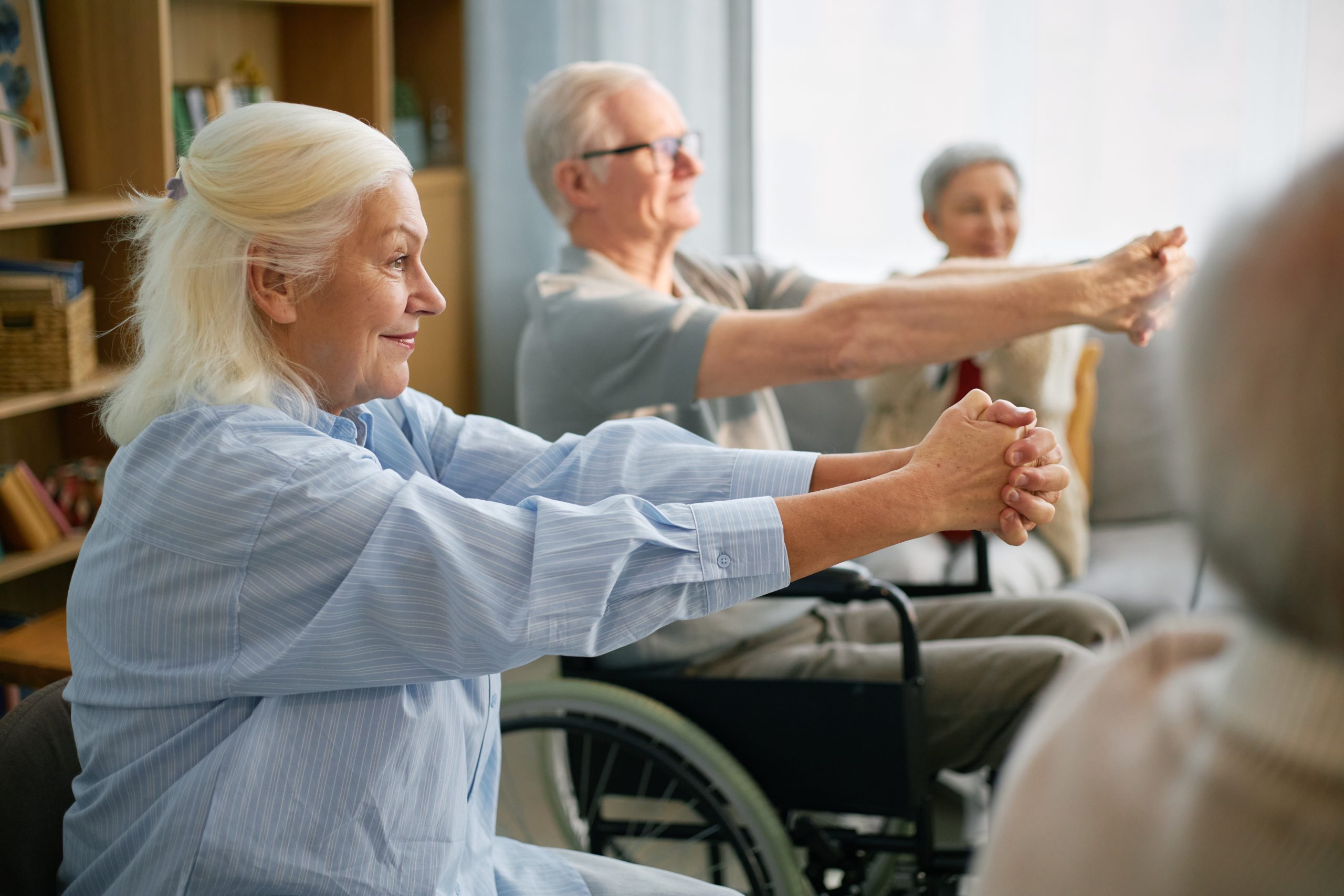
Stretching, yoga, and tai chi are all exercises that promote balance and flexibility. This is life changing for seniors with dementia as it reduces the risk of falling and improves coordination.
Structured Group Activities
Many memory care communities offer guided exercise classes where residents can enjoy a pre-planned exercise routine while engaging in their community. The guided physical activity paired with positive social interactions can improve mood and communication skills.
How Often Should Someone With Dementia Exercise?
A general rule of thumb for seniors is to get 150 minutes of exercise each week, which can be broken down into five days of 30-minute exercises. To maintain independence, dedicating two of those sessions to strength-training is recommended.
As the dementia progresses, reducing the duration of sessions may be needed. As a safeguard, consult your doctor on any exercise routines to ensure they are the best fit for you or your loved one. Consistency is better than intensity, so listening to physical cues is important.
Is Exercise Safe for Seniors With Dementia?
While exercise is extremely beneficial for seniors with dementia, it’s important to consult a doctor before introducing any new routines. The changes to their daily structure may cause confusion, so keeping activities supervised will minimize any emotional distress.
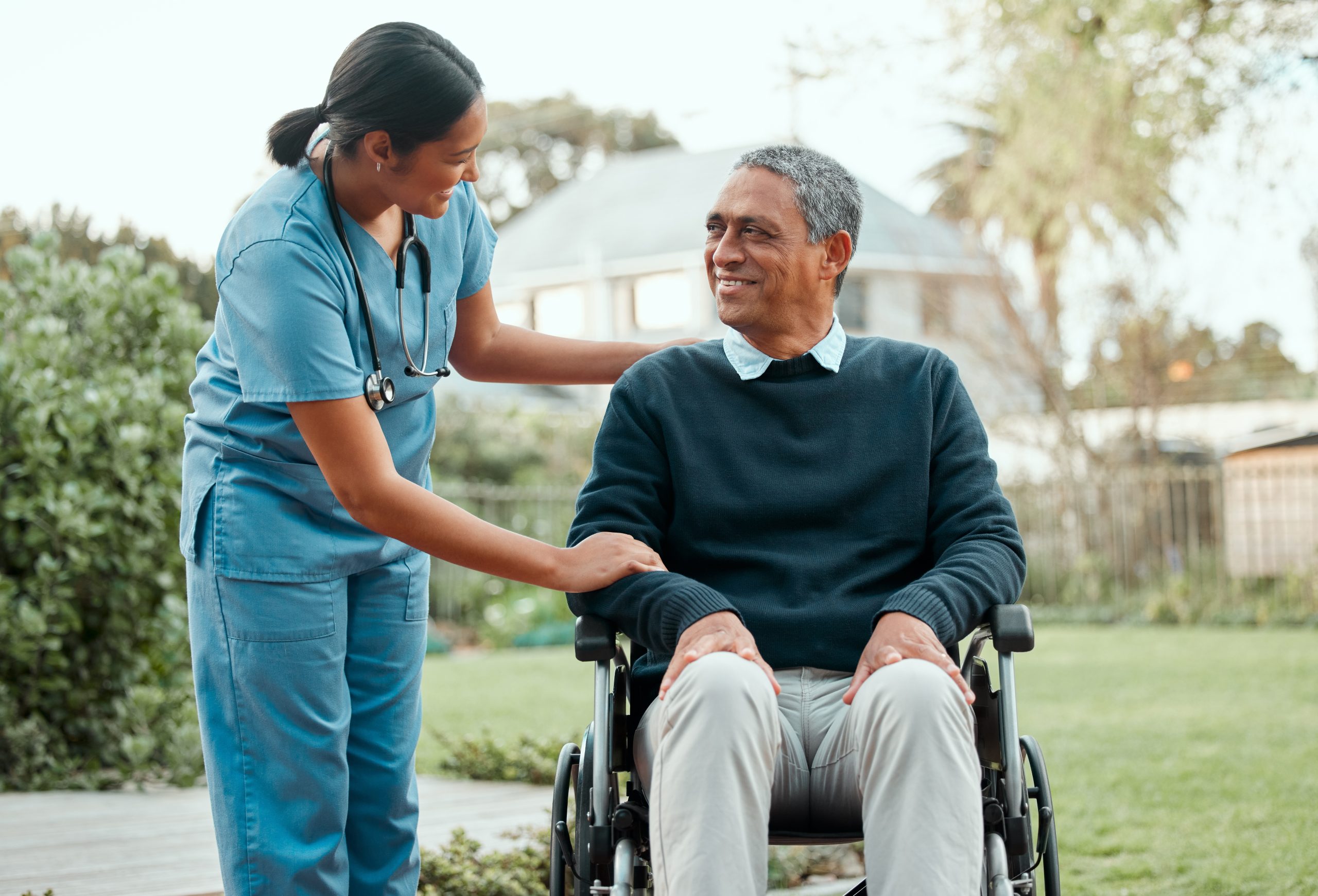
Guided exercise or group fitness will help seniors with dementia adapt to the new routines. Staff supervision ensures environmental safety, especially for seniors with tendencies to fall.
Make sure to communicate clearly when guiding seniors through exercise and encourage them to listen to physical cues if an exercise is too intense.
How Memory Care Communities Support Safe Exercise Programs
Many memory care communities offer exercise programs tailored to seniors with memory-related illnesses. Often led by staff, these programs focus on movement that is safe for seniors while promoting blood circulation, strength, and balance.
These programs have built-in scalability so individuals can choose activity levels based on their ability and comfort. Allowing for flexibility in programs keeps seniors with dementia safe while still promoting healthy exercise.
Exercise is incorporated into daily routines and allows seniors to grow familiar with the programs. The consistency eventually decreases confusion and allows seniors to reap the long-term brain health benefits of frequent low-impact exercises.
Exercise, Routine, and Emotional Well-Being in Dementia Care
Regular exercise not only reaps numerous health benefits but also helps seniors build a familiar routine that reduces anxiety, a common symptom of dementia.
Daily movement is a great grounding, predictable routine for seniors with dementia. The endorphins released by physical activity improve mood and build confidence over time, allowing seniors to feel more at ease after transitioning to a memory care community.
The emotional benefits of exercise for dementia include:
- Reduced anxiety
- Decreased depression and isolation
- Boosted sense of accomplishment
- Reduced agitation
- Improved self-esteem
When Exercise Alone Is Not Enough
While exercise can slow the progression of dementia and other memory-related diseases, it won’t completely cure the symptoms. As neurons die, the brain will eventually start to shrink and make regular exercise harder.
When this happens, additional care and memory support are needed, while current exercise routines may need to be scaled down to a lower intensity. This will prevent any injuries during exercise, while allowing the senior to still prioritize daily movement to keep the dementia from escalating more quickly.
Holistic, person-centered memory care will properly address changes in the dementia’s progression, while implementing other approaches to minimize symptoms such as:
- Music therapy
- Gardening
- Dietary management
Supporting a Loved One With Dementia Through Movement and Care
If you are a family member of a senior with dementia, there are a few ways you can support them through movement.
- Encourage participation: Without pressuring your loved one, gently encourage them to exercise by sharing the benefits, inviting them on a walk, or helping them sign up for group fitness classes.
- Respect comfort levels: Meet your loved one where they are and help them find exercises that won’t push them past their limits. Remember that consistency is more important than intensity.
- Create a safe environment: Make sure your loved one isn’t at risk of slipping or falling during exercise. Clear their space and encourage staff visibility.
Memory Care at The Manor Village
At The Manor Village, we create a space for seniors with dementia to preserve independence and dignity. Through guided exercise and music therapy, our memory care residents stay connected and build healthy routines.
If you or a loved one needs compassionate, person-centered memory care, contact us today and learn more about our senior living community.