
As we age, staying socially active becomes not only a joy but a necessity for our emotional, physical, and cognitive well-being. Maintaining a rich social life is often a concern for elderly persons requiring assisted living services, including those with memory challenges such as dementia. Likewise, family members want reassurance that their loved ones will be in a supportive environment where they can thrive.
Fortunately, today’s retirement community options are designed with connection and community at the forefront. Through thoughtful programming and caring staff members, independent living communities offer much more than just a place to live. They offer a place to belong.
How Do Independent Living Communities Encourage Social Interaction Among Residents?
At their core, independent living communities are designed to foster social interaction. These environments are intentionally built to bring people together, helping residents feel part of something bigger than themselves. Whether it’s a shared dining experience, a cozy lounge space, or a communal garden, every aspect of the community offers opportunities to engage.
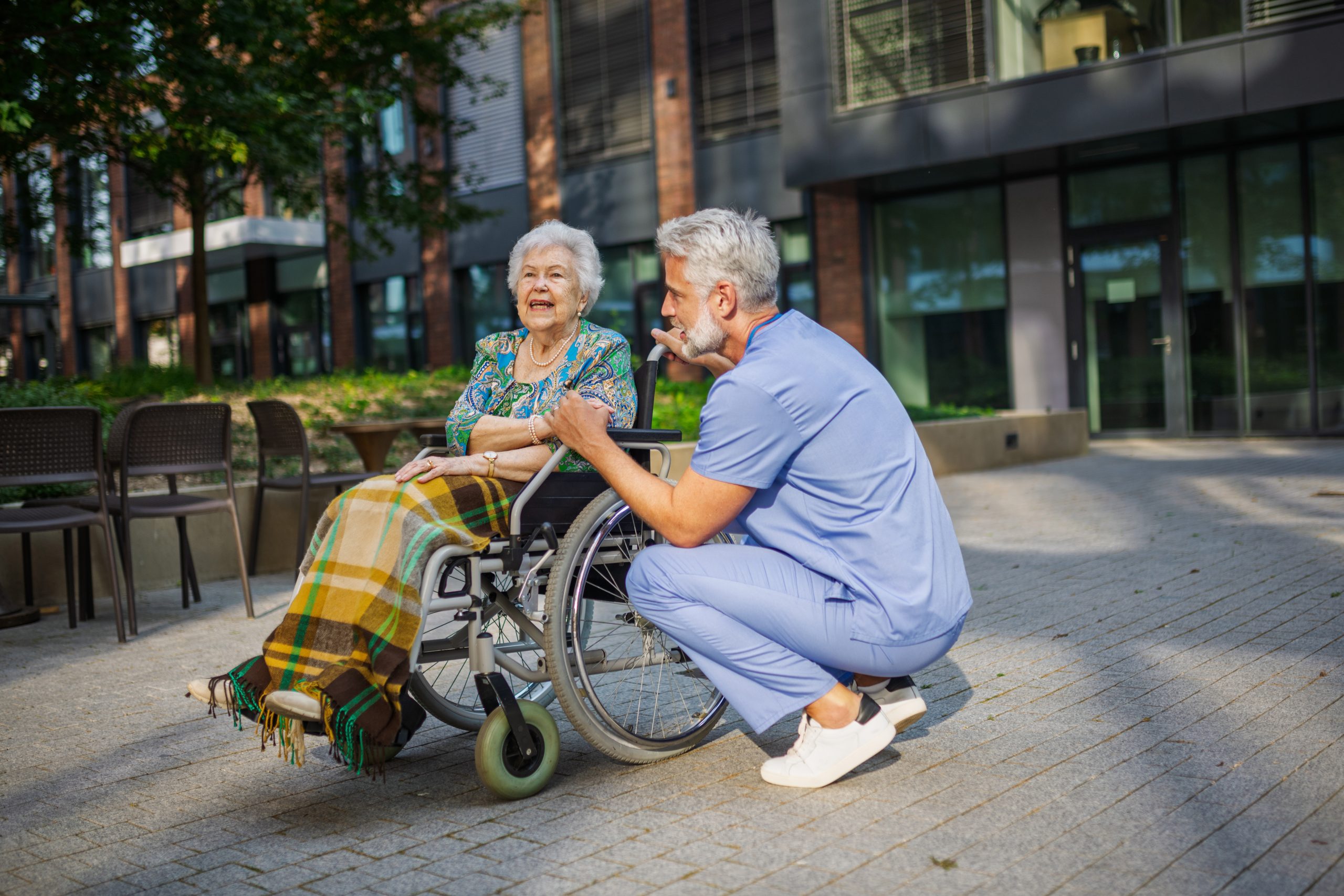
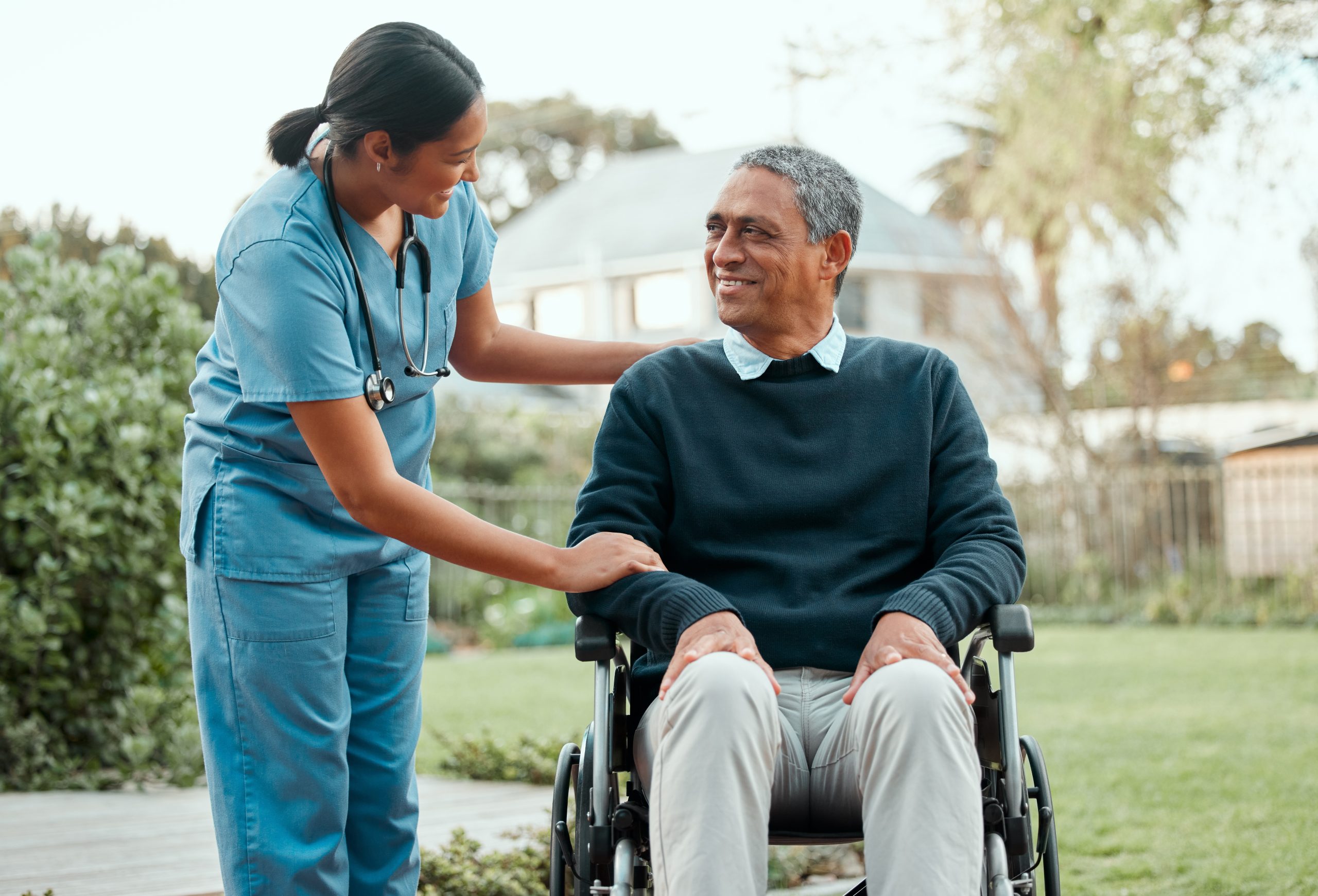
Staff members play a key role, too. From welcoming new residents to introducing neighbors with shared interests, they are always working to find new ways of fostering a sense of belonging.
What Types of Activities Are Offered in Independent Living to Build Social Connections?
There’s no shortage of mentally stimulating and joyful activities to explore. These programs are thoughtfully curated to suit various interests and abilities, ensuring everyone has something to look forward to.
Common offerings include:
- Book clubs to spark deep conversation and reflection
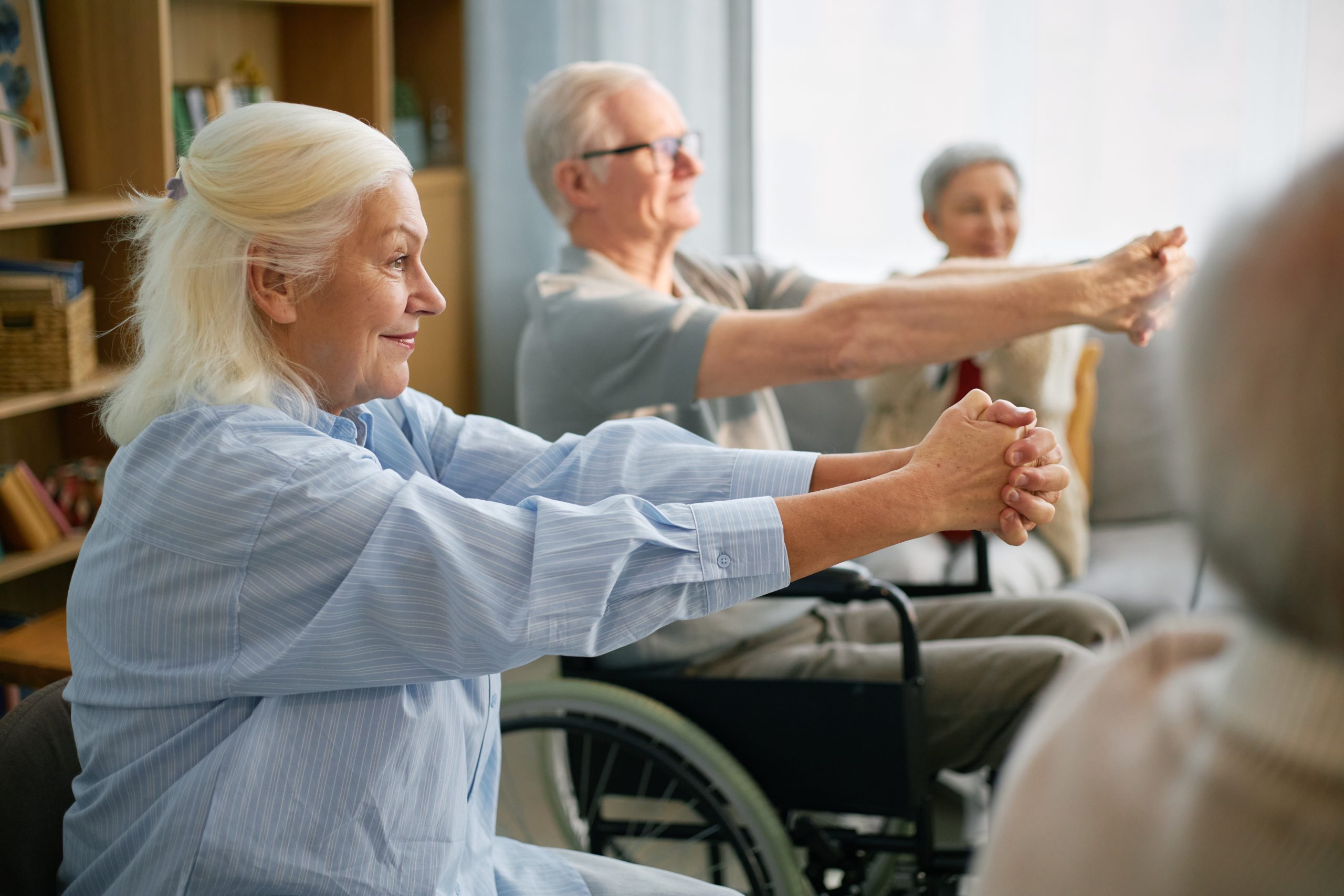
- Fitness classes to promote health and connection
- Art classes where creativity becomes a shared experience
- Game nights that blend laughter and friendly competition
- Group outings to theaters, museums, or restaurants
- Music therapy and live performances
All of these activities help residents share experiences, building friendships along the way.
Can Independent Living Communities Reduce Loneliness for Seniors?
Absolutely. One of the most significant benefits of these communities is how they reduce loneliness. As people age, health issues, the loss of a spouse, or moving away from long-time neighborhoods can lead to isolation. But in a vibrant retirement community, residents are surrounded by peers, compassionate staff members, and a wealth of ways to connect.
Daily interactions help residents feel seen, valued, and understood. By cultivating these interactions,, independent living communities create a buffer against the isolation that can contribute to cognitive decline.
How Do Independent Living Communities Differ from Assisted Living in Fostering Social Ties?
While both settings aim to enhance quality of life, independent living offers more opportunities for self-directed engagement. Residents of these types of communities typically require less daily assistance, giving them greater freedom to pursue hobbies, attend events, and explore interests on their own terms.
This autonomy allows for more organic socialization. Whether it’s joining a book club, going for a walk with a neighbor, or leading a class themselves, residents in independent living settings often find it easier to take the initiative in building relationships.
Are There Organized Social Events in Independent Living Communities?
Yes! Organized social events are a cornerstone of life in these communities. From seasonal celebrations to themed dinners and movie nights, there’s always something happening. These structured gatherings provide low-pressure settings where residents can meet new people and deepen connections.
Special events are often tailored around holidays or cultural themes and may even include family-friendly activities, allowing residents to invite family members to join the fun.
How Do Independent Living Communities Help Seniors Make New Friends?
Making friends later in life can be intimidating, but independent living communities make it easier. Staff members introduce newcomers, while group activities offer natural opportunities to connect. The shared lifestyle, routines, and values create a fertile ground for friendship.
New residents often bond quickly over meals, during fitness classes, or while enjoying a group outing. Many communities also have mentorship or welcome programs that pair new residents with long-timers, easing the transition and creating immediate bonds.
What Role Do Common Areas Play in Social Connections in Independent Living?
Common areas are more than just functional spaces; they are hubs of community life. Whether it’s a sunny patio, a cozy reading nook, or a bustling dining hall, these shared environments invite spontaneous connection.
Lounges become gathering spots for coffee chats. Libraries double as discussion rooms for book clubs. Even a stroll through the community garden can lead to a new friendship. These areas are intentionally designed to encourage socialization and create a sense of community that makes every resident feel at home.
Do Independent Living Communities Offer Group Transportation for Social Outings?
Yes, many communities provide group transportation so residents can explore the local area together. Whether it’s a trip to the farmers market, a concert downtown, or a scenic drive, these outings are enjoyable and promote relationship-building. Group trips allow residents to bond over shared experiences while reducing the barriers that transportation can pose to staying socially active.
Ready to Help Your Loved One Thrive?
Choosing an independent living community is a significant decision, but it doesn’t have to be daunting. In the right environment, your loved one will not only receive the support they need but also the joy, friendship, and sense of purpose that makes life worth living.
At places like The Manor Village, the community offers far more than housing—it offers connection, care, and a renewed sense of possibility.
Contact us today to learn how your loved one can flourish in a supportive environment that nurtures relationships and celebrates life at every stage.