Caring for a loved one with memory loss requires an abundance of creativity, patience, and compassion. By incorporating specific activities into your loved one’s daily routine, you can help improve quality of life, foster connection, and bring joy to you and your loved one. Here are some things you should know about activities and memory loss.
Why Activities Matter for Seniors With Memory Loss
Daily activities help seniors with memory loss reduce stress and feel a sense of accomplishment. Social interactions, especially with family members, support emotional well-being and connection.
Besides cognitive stimulation, activities can help a person with dementia build confidence and gain a sense of purpose. This, in turn, reduces anxiety and depression. Simple activities are often the most effective as they work with your loved one’s limitations and can be adjusted as the dementia progresses.
Understanding How Memory Loss Affects Participation
Memory loss can present challenges in participation and lead to embarrassment or isolation. It’s important to have patience as you understand and respond to your loved one’s feelings during activities.
Cognitive decline can create frustration with familiar activities and lead your loved one to abandon previously enjoyed hobbies. The resulting hit on self-confidence can cause your loved one to withdraw from social activities, so it is important to offer encouragement and support.
Adjusting activities as the dementia progresses can reduce agitation and encourage your loved one to participate in activities.
Best Activities for Someone With Early-Stage Memory Loss
If your loved one has early-stage memory loss, certain activities will boost cognitive functioning and create a sense of independence. Choosing simple activities can accomplish this without overwhelming you or your loved one.
Activity ideas include:
- Cognitive stimulation: Puzzles, word games, and light problem-solving activities are beneficial for brain health and mental stimulation.
- Physical activities: Walking, gardening, and yoga are gentle ways to encourage movement.
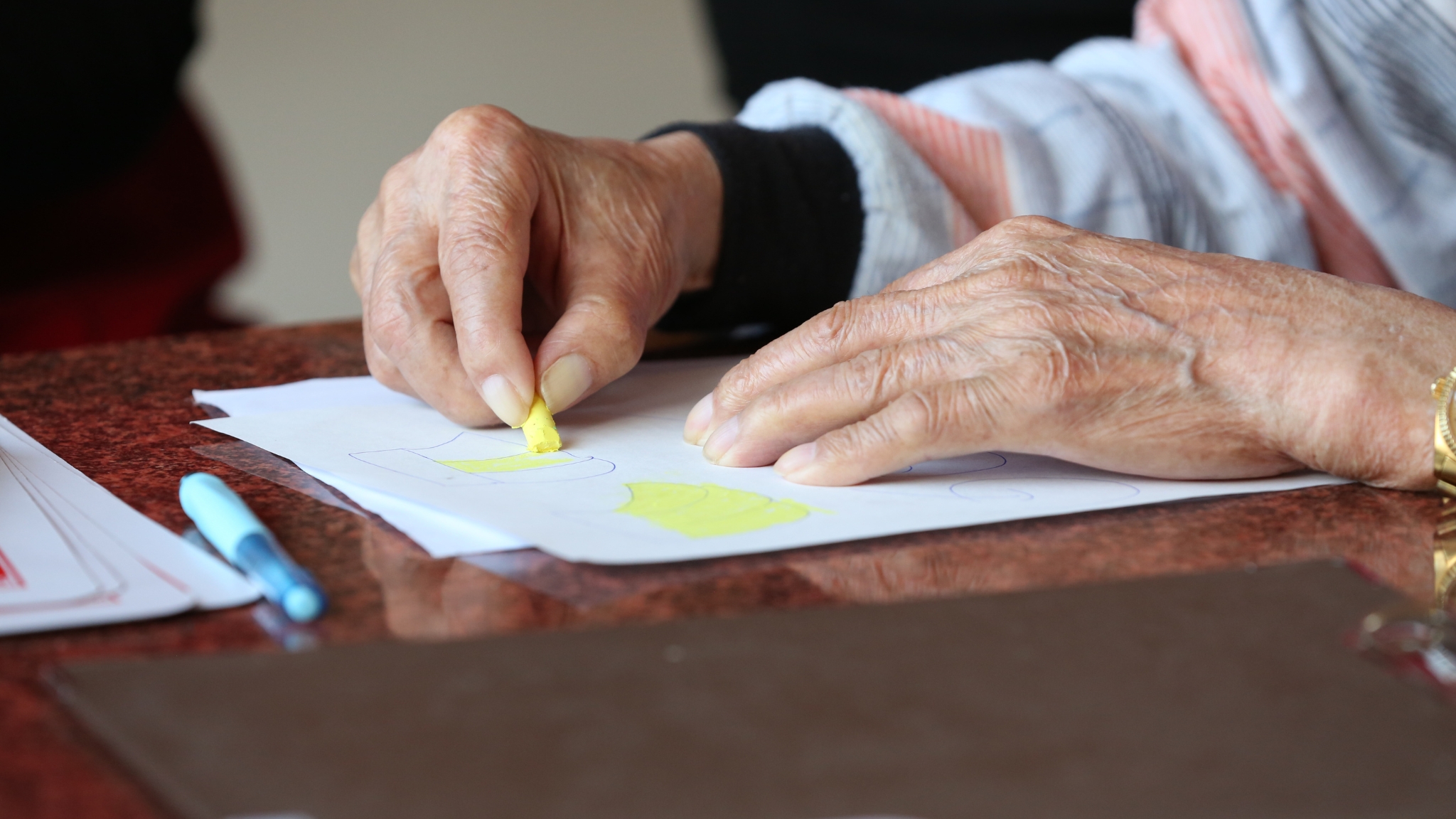
- Creative hobbies: Painting, yarn or clay work, and music therapy help engage your loved one’s creativity and build a sense of accomplishment.
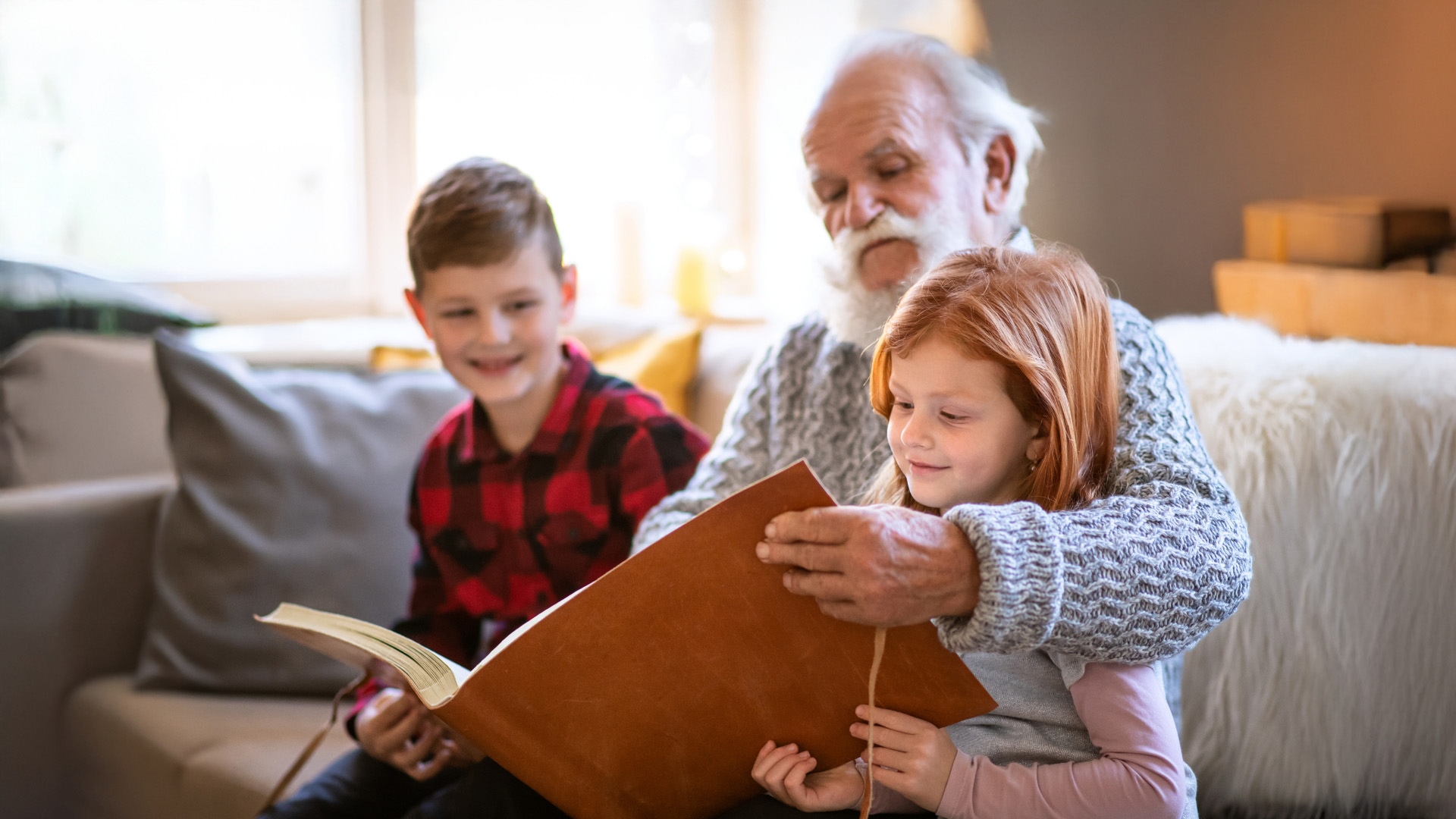
- Reminiscence: Telling stories or viewing photo albums are great ways to stimulate memory.
What Are the Best Activities to Do with a Loved One Who Has Memory Loss?
Memory loss, often caused by Alzheimer’s disease or another form of dementia, can make daily life challenging for individuals and their families. However, engaging in thoughtful and tailored activities can help stimulate the brain, enhance cognitive functions, and spark joy. The goal is to provide opportunities for connection, comfort, and joy.
Whether your loved one is in senior living or at home, meaningful activities can improve the quality of life for everyone involved. These activities can help reduce anxiety, boost mood, and create meaningful moments together. Here are some ideas based on the latest research and expert recommendations:
1. Reminiscence Activities
- Photo Albums or Scrapbooking: Look through old photos together and share stories, which can help trigger positive memories.
- Memory Boxes: Create a box filled with meaningful items like letters, souvenirs, or objects from their past.
- Music Therapy: Play music they enjoyed in their youth. Familiar songs can evoke emotions and memories.
2. Creative Activities
- Art Projects: Painting, drawing, or crafting can be therapeutic and enjoyable.
- Gardening: Simple tasks like planting flowers, watering plants, or arranging pots can help foster connections to nature.
- Baking or Cooking: Spend some time preparing easy recipes together, baking/decorating cupcakes or cookies, or making sandwiches.
3. Physical Activities
- Walking: A walk in a garden, park, or quiet neighborhood can be calming and good exercise.
- Gentle Exercises: Chair yoga, stretching, or light dancing to music.
- Games with Movement: Balloon volleyball or tossing beanbags.
4. Sensory Activities
- Hand Massage: Use soothing lotion for a calming, tactile experience.
- Sensory Bins: Fill a container with materials like sand, rice, or fabric scraps for exploration.
- Aromatherapy: Introduce pleasant scents like lavender, peppermint, or citrus for relaxation.
5. Cognitive Stimulation
- Simple Puzzles or Games: Enjoy large-piece puzzles, matching games, or dominoes.
- Reading Aloud: Choose short stories, poems, or articles that match their interests.
- Sorting Activities: Sort buttons, cards, or colored objects by size, shape, or color.
6. Social Interaction
- Family Visits: Spend time with family members, keeping gatherings small and calm.
- Pet Therapy: Gentle interactions with pets can bring joy and reduce stress.
- Group Activities: Participate in community programs designed for individuals with memory loss.
7. Nature-Based Activities
- Bird Watching: Set up a bird feeder and watch birds together.
- Outdoor Relaxation: Sit outside and enjoy the fresh air, sunshine, or sounds of nature.
Tips for Success
- Focus on Process, Not Results: Enjoy the activity itself rather than worrying about completion or perfection.
- Keep It Simple: Avoid complex tasks that might cause frustration.
- Adapt as Needed: Be flexible and adjust activities to their current abilities and mood.
- Be Patient: Allow them to take their time and offer encouragement.
- Choose the Right Time: Engage in activities when they are most alert and receptive.
What Types of Activities Are Beneficial for Individuals with Memory Loss?
Activities that focus on maintaining cognitive abilities, encouraging social interactions, and promoting physical and emotional well-being are highly beneficial. Tailored activities should be adjusted to the stage of dementia your loved one is experiencing to ensure comfort and engagement. Activities such as listening to music, arts and crafts, and simple physical exercises can help create moments of connection and joy.
How Does Music Impact Those with Memory Loss?
Music therapy is profoundly impactful for individuals with memory loss. Studies have shown that listening to or playing music can evoke memories and emotions, even for individuals in advanced stages of dementia. This is because music taps into areas of the brain that remain resilient even as cognitive functions decline. Incorporating favorite songs or melodies from the past can lead to an improved mood, reduce stress, and foster meaningful connections.
Learn more about music and memory.
Learn about The Power of Music on the Brain.
Are Physical Activities Appropriate for Individuals with Memory Loss?
Yes, gentle physical activities are both appropriate and beneficial. Physical movement helps stimulate the brain and improve overall brain health. Simple exercises like chair yoga, stretching, or short walks can also improve physical well-being and reduce anxiety. Tailoring these activities to the individual’s mobility level and stage of dementia ensures safety and effectiveness.
How Can Arts and Crafts Benefit Someone with Memory Loss?
Creative pursuits such as painting, drawing, or crafting can provide a sense of accomplishment and joy. These activities help stimulate the brain and encourage self-expression, which is particularly valuable for a person with dementia who may struggle with verbal communication. Moreover, crafting can serve as a calming activity that improves focus and reduces agitation.
What Role Do Social Activities Play for Those with Memory Loss?
Maintaining social interactions is essential for individuals with memory loss. Engaging in group activities like storytelling, board games, or simple group exercises fosters a sense of belonging and reduces feelings of isolation. Studies have shown that consistent social engagement can help improve memory and delay further cognitive decline.
Can Sensory Activities Help Individuals with Memory Loss?
Sensory activities, such as touching textured objects, aromatherapy, or hand massages, are excellent for triggering memories and emotions while providing comfort. These activities are particularly effective for those in advanced stages of dementia, as they focus on non-verbal stimulation.
How Can Reminiscing Activities Be Incorporated?
Looking through photo albums, watching old home videos, or discussing cherished memories are wonderful ways to engage a loved one with memory loss. These activities can evoke positive emotions, reinforce social interactions, and help them reconnect with their identity.
Are There Specific Games Suitable for Individuals with Memory Loss?
Games that stimulate cognitive functions without overwhelming the participant are ideal. Puzzles, matching games, and card games with simplified rules can engage the brain and create a sense of achievement. Choose games that match individual abilities and interests for the best experience.
How Can Nature-Related Activities Be Beneficial?
Spending time outdoors has numerous benefits, including reducing anxiety and promoting relaxation. Activities like gardening, birdwatching, or sitting in a park can have a calming effect and improve overall mood. These activities also help stimulate the brain through sensory engagement.
What Precautions Should Be Taken When Planning Activities?
When planning activities, consider the individual’s abilities, preferences, and stage of dementia. Ensure the environment is safe and free of potential hazards. Activities should be flexible, allowing your loved one to participate at their own pace. Patience and understanding are key to creating a positive experience.
Simple Activities for Moderate Memory Loss
Dementia’s progress into the moderate stage may lead to increased confusion and frustration with certain activities. Planning activities for this stage should center around low-stress tasks that end with a feeling of accomplishment.
Activities for this stage include:
- Sorting, folding, or organizing
- Listening to familiar music
- Repetitive tasks with a clear beginning and end
- Matching card games or simple puzzles
- Simple arts and crafts
Remember to keep activities short at this stage to reduce the risk of agitation and always end on a positive note.
Activities That Promote Emotional Connection in Dementia
Focusing on emotional connection with a loved one with Alzheimer’s disease or other forms of dementia can boost mood and encourage memory. When verbal communication fails, these activities can promote social connection.
Encourage activities such as:
- Looking through photo albums
- Reminiscence activities
- Storytelling
- Familiar and meaningful music
- Gentle touch and shared presence
Physical Activities That Are Safe and Beneficial for Memory Loss
While mobility may decline as the dementia progresses, gentle physical activities can improve blood flow and sleep. Research shows that even daily low-impact exercise can maintain or improve cognitive ability.
Low-impact exercise includes:
- Walking
- Light stretching
- Chair exercises
- Balance-focused activities
- Gardening
- Swimming
Sensory Activities for Seniors With Memory Loss
Stimulating the senses can reduce anxiety, encourage cognitive function, and even spark certain memories.
Incorporate activities such as:
- Aromatherapy
- Tactile activities
- Baking or cooking
- Nature walks
- Yarn or clay work
Choose sensory activities that are tailored to your loved one’s personal preferences and keep activities simple and stress-free.
Creative Activities for Seniors With Dementia
Arts and crafts for seniors with memory loss focuses on the process and how it can help stimulate cognitive function. This reduces performance pressure and allows seniors to enjoy the creative process and explore their own self-expression.
These activities can include:
- Painting, coloring, or drawing
- Music and rhythm-based activities
- Simple crafts
- Knitting or crochet
- Clay work
- Flower arranging
Creative activities can provide a feeling of accomplishment and boost mood, without the pressure of perfection.
Activities to Avoid or Modify for Someone With Memory Loss
Certain activities may be too dangerous or frustrating for your loved one. Avoid tasks that feel too complex or unfamiliar, as they increase confusion and agitation. You will want to adapt activities to your loved one’s ability and remain positive.
Avoid things like:
- Overstimulating environments
- Activities that highlight loss or mistakes
- Unsupervised use of dangerous tools or appliances
- Memory testing
- Reminiscing on bad memories
Monitor your loved one during tasks and understand when to pause or stop. If your loved one shows signs of frustration, take a break and keep a positive attitude.
How Routine and Familiarity Improve Engagement
Helping your loved one build daily routines can reduce anxiety as they take comfort in predictable schedules. Choosing familiar tasks and environments can improve social engagement through security and recognition.
Repetitive activities build confidence as your loved one grows familiar with the routine. Tasks like folding laundry or knitting are soothing and use repetition to create a deeper focus. This can help expand attention in those with more severe dementia cases.
How Memory Care Communities Support Daily Engagement
Many memory care communities provide structured, staff-guided activities that are safe for residents in memory care and encourage mental stimulation.
Typically taking a person-centered approach, activities are designed for group or one-on-one engagement. Staff are specially trained in dementia care and understand when to adapt activities as needs change.
As personal routines are built with each resident, brain-beneficial activities are gently incorporated into the daily structure, allowing for new experiences and safe integration.
Memory Care for Seniors at The Manor Village
At The Manor Village, we take pride in developing engaging activities for our residents in memory care. From music therapy to brain puzzles, we carefully curate each activity to be stress-free and stimulating.
Contact us today to learn more about our luxury memory care community!