Self-care is essential for everyone, but especially for those in assisted living. Moving out of the home or even traveling out of state for senior living communities can induce anxiety or loneliness.
Practicing self-care can help make this transition smoother and create time for self-reflection.
Why Is Self-Care Important for Seniors in Assisted Living?
Self-care is more than just relaxation. It’s about maintaining physical and mental health and supporting independence in a daily routine.
Maintaining good health can prevent further decline and preserve dignity during a complex transition like moving to an assisted living facility.
What Are the Benefits of Self-Care in Assisted Living?
There are many emotional and physical benefits to self-care.
Some include:
- Boosted confidence
- Higher energy levels
- Reduced stress
- Better mobility
- Enhanced cognitive function
What Does Self-Care Mean in Assisted Living?
Self-care practices have so many nuances. Each person has a different routine based on their unique personality. It embodies all the little things you do to preserve well-being.
Prioritizing self-care means selecting activities that support:
- Hygiene and nutrition
- Fulfilling hobbies
- Social engagement
- Mental health
Different from staff-provided care, these resident-led activities are empowering and preserve dignity.
How Can Seniors Practice Self-Care in Assisted Living?
Because each person has a unique personality, self-care will look different for everyone.
Residents in assisted living can start practicing self-care through various activities, including:
- Personal routines: Morning walks, afternoon reading, or skincare rituals are easy places to start when developing your personal routine.
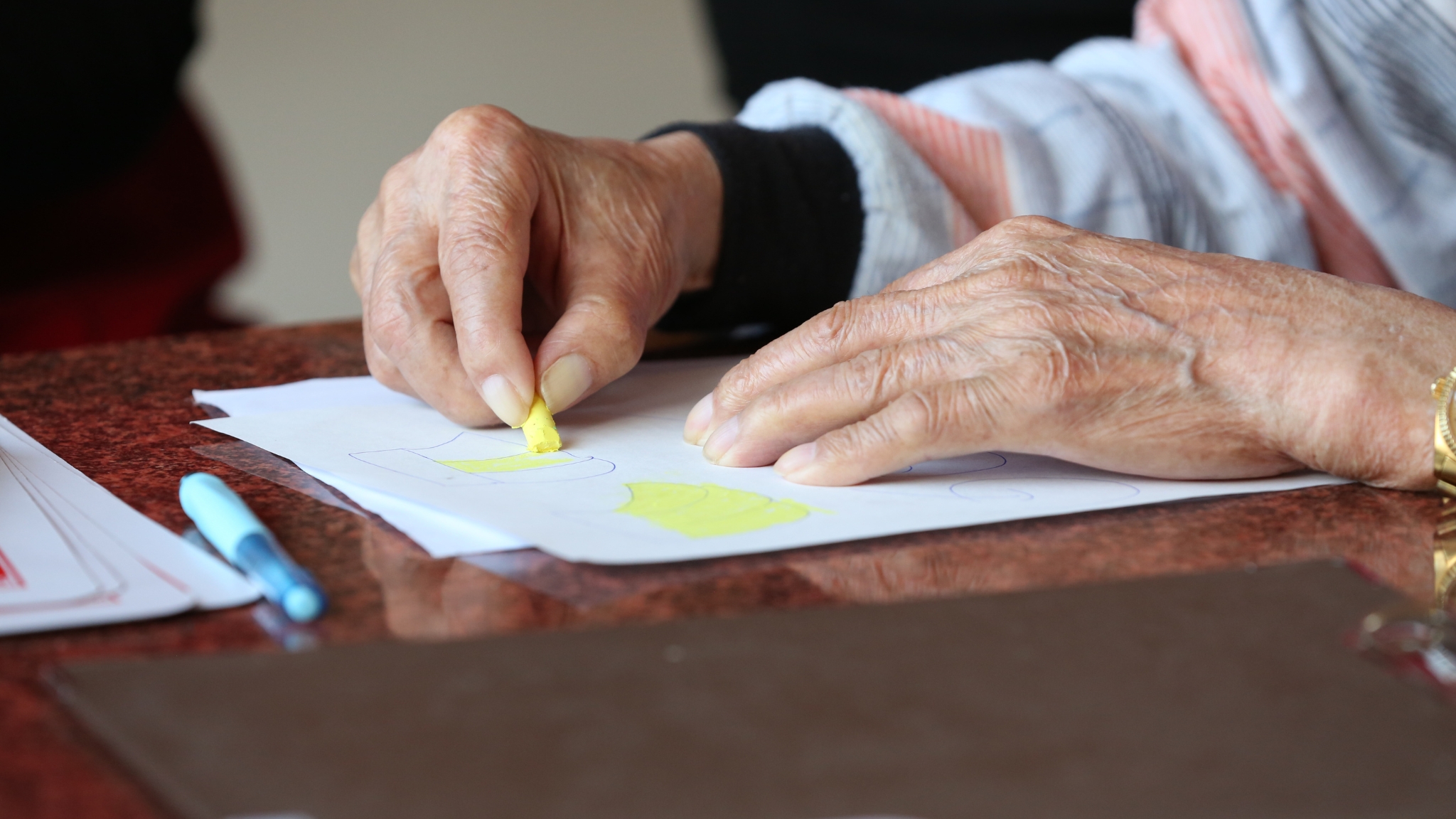
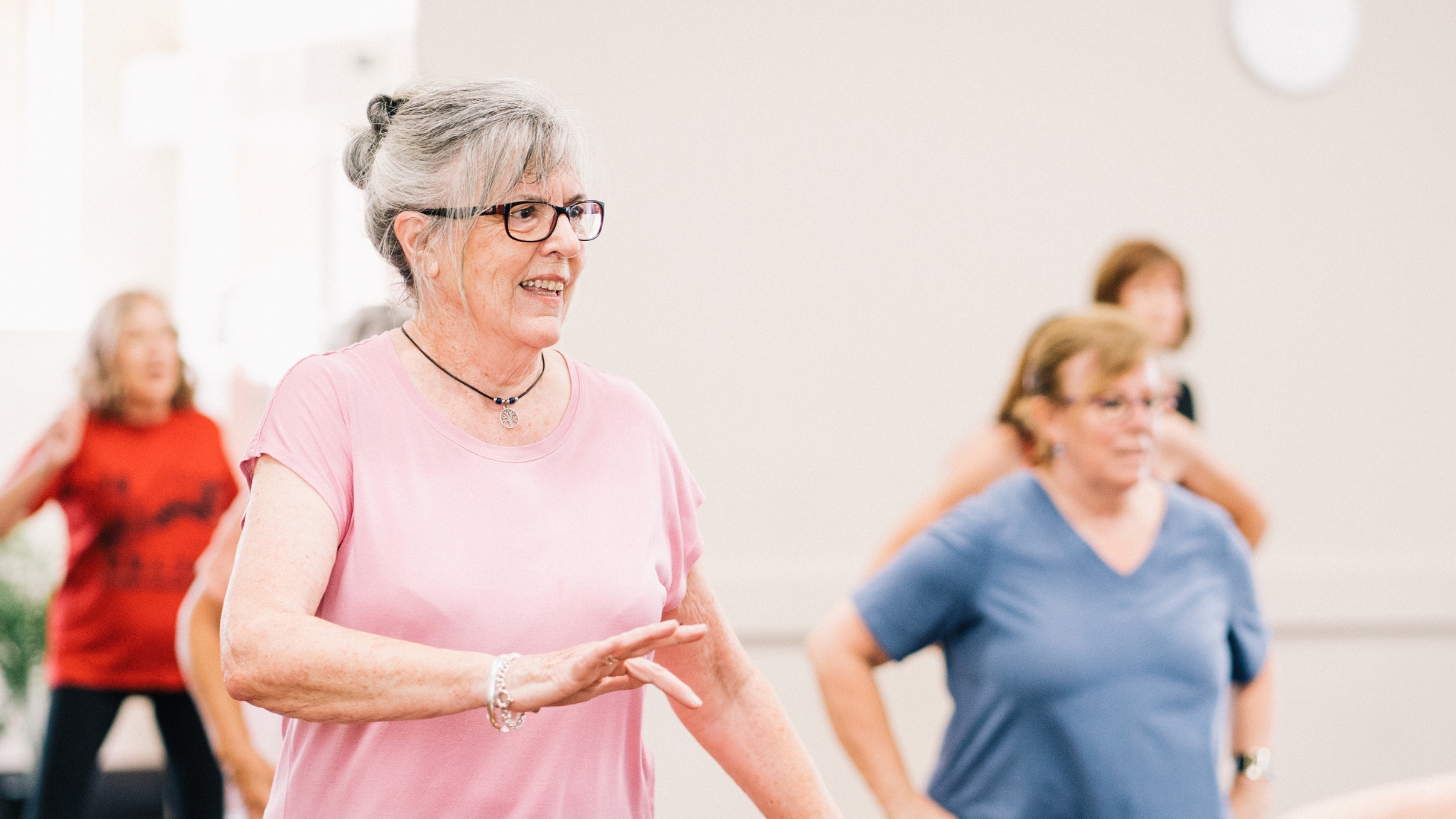
- Physical activity: Light exercise, painting, or gardening can boost mobility and improve overall health. Eating a balanced diet will provide the proper nourishment for these self-care activities.
- Mental care: Make sure to include activities that stimulate the brain as well as regulate mood. Practice mindfulness and stay connected with friends and family.
How Does Assisted Living Support Self-Care?
Most assisted living facilities include private spaces, accessible amenities, and on-site resources like gyms and libraries. Features such as these help preserve independent lives and individuality.
The facility staff is trained to help when needed, while allowing room for residents to support themselves and preserve independence. Most communities host events like yoga or art classes to encourage self-care.
Why Should Caregivers Prioritize Self-Care in Assisted Living?
Caregivers can’t be everywhere at once, and oftentimes need time to recover from burnout. Encouraging residents to prioritize self-care reduces dependency and frees up time for caregivers to assist others.
Family members can benefit as well. Spending time with a loved one while practicing self-care activities like walks or collaborative art can build stronger relationships.
How to Create a Self-Care Routine in Assisted Living?
The first step is reflecting inwardly on which activities meet your personal self-care needs. Once you’ve found your problem areas, set small goals and choose accessible activities that will meet your current needs.
Self-care doesn’t have to be complicated. It could be as small as daily hydration reminders or choosing a weekly hobby. Even starting the simplest routine can help tremendously.
Assisted Living Services for Seniors at The Manor Village
We’ve worked to create a serene environment that is caring for our senior residents. At The Manor Village, we encourage self-care for seniors through various activities and amenities to exercise mental and physical health.