
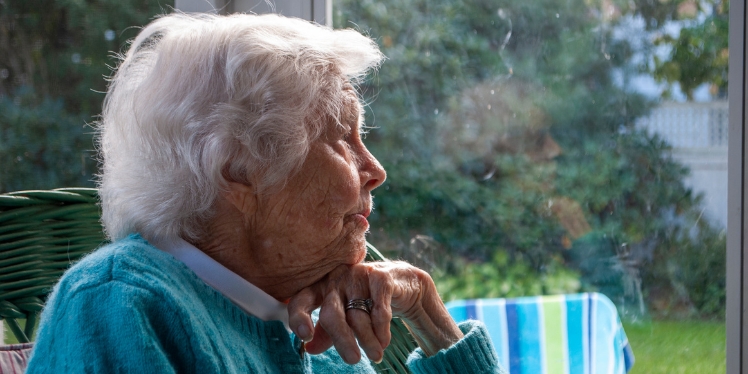
Dementia is more than a clinical diagnosis. It’s an emotional upheaval that affects not just individuals but their entire families. For older adults living with memory loss and for the people who love and care for them, navigating this journey requires resilience, support, and compassion. Below, we answer the most pressing questions families face when a loved one with dementia needs dementia care.
How Does a Dementia Diagnosis Affect Family Dynamics?
The moment someone is diagnosed with dementia, family dynamics can change dramatically. Roles within the family may shift, with adult children becoming primary caregivers, spouses managing increasing responsibilities, and siblings navigating complex emotions and decisions. These changes can strain communication and introduce new conflicts, especially when families are unprepared for the reality of caring for a person with dementia.
Common Emotions Families Will Experience
Fear, sadness, feelings of guilt, and even anger are natural responses. Watching a loved one with dementia slowly lose cherished memories and abilities is heartbreaking. Families may grieve the loss of the person they once knew, even while that person is still physically present. Many caregivers experience emotional burnout as the disease progresses, feeling torn between devotion and depletion.
Coping with Guilt and Grief
It’s important to acknowledge that physically and emotionally, this journey takes a toll. Feelings of guilt are common, especially when considering assisted living or memory care options. Choosing a reputable community like ours, which prioritizes dignity and quality of life, can provide peace of mind. Grieving the many little losses along the way is part of the process, but families must also remember to be kind to themselves and recognize that they’re doing their best.
Managing Stress and Emotional Well-Being
Caring for a person with dementia can be intense, both physically and emotionally. To prevent health problems from surfacing, adopt strategies to manage stress. Schedule breaks, accept help, establish consistent routines, and consider respite care. Practices like meditation, exercise, and journaling can help restore balance and prevent serious health problems in the caregiver.
Maintaining a Positive Relationship
Though the nature of your connection may change, the bond with your loved one with dementia can still be meaningful. Focus on spending time together in ways that feel comforting: listening to music, looking through old photo albums, simply sitting in shared silence, or enjoying a meal together. Spending time doesn’t need to be complicated. Even quiet moments can be profoundly comforting for both the person with dementia and their family.
The Role of Support Groups
No one should go through this alone. Support system networks, such as local support groups or virtual communities, provide a safe space to share stories, vent frustrations, and exchange coping strategies. They’re especially valuable for primary caregivers, offering not just emotional support but validation and camaraderie.
Addressing Caregiving Conflicts
Conflict often arises when multiple family members have differing opinions about personal care, placement decisions, or financial responsibilities. Clear communication, family meetings, and possibly the guidance of a neutral mediator or social worker can help resolve tensions. Respecting everyone’s perspective while keeping your loved one’s best interests at heart can be difficult, but it’s essential.
Resources for Children and Grandchildren
Children and teens may struggle to understand why their grandparents no longer remember them or behave differently. Honest, age-appropriate conversations are essential. Storybooks, therapy, and inclusive family activities can help younger members process emotions and feel included in the caregivers’ experience.
Preparing for the Progression of Dementia
As the disease progresses, care needs will evolve. Families should proactively plan for changes in health care, mobility, and safety. Communities like The Manor Village offer tailored dementia care with a focus on dignity, autonomy, and enhancing quality of life, helping families prepare for what lies ahead with confidence and compassion.
Finding Joy and Meaning
Amid the challenges, there are still moments of joy. Shared laughter, a glimpse of recognition, or a warm touch can remind families that love transcends even the harshest of diagnoses. Embracing those moments, celebrating small victories, and seeking meaning in the journey can help families move forward with resilience.
The Manor Village is Your Community of Support
At The Manor Village, families will find a community built on empathy, respect, and excellence in health care and personal care. With specialized services for older adults experiencing memory loss, we provide a place to live and feel supported, understood, and valued.
You’re not alone in facing dementia. With the right help, healing, and heart, families can face the future together with strength, grace, and unwavering love.