
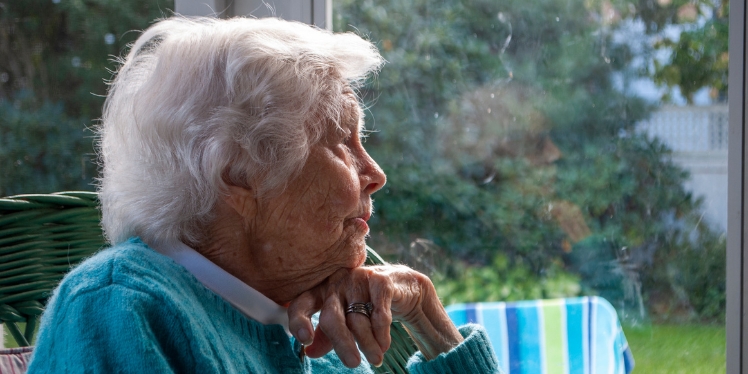
As memory fades, routines become confusing, and familiar faces become harder to place, seniors living with dementia need more than just help. They need understanding. That’s where memory care comes in. Memory care is a specialized form of senior care designed to provide person-centered care for those living with Alzheimer’s disease or another type of dementia.
Whether you’re exploring options for yourself or searching for the right fit for a loved one, this guide can help you make sense of what memory care programs offer and why they matter.
What Is Memory Care for Seniors?
Memory care is a highly specialized level of support provided within a senior living community or assisted living facility, created specifically for individuals experiencing cognitive decline from Alzheimer’s disease or another type of dementia. These programs focus on maintaining a resident’s quality of care, dignity, and sense of purpose while ensuring their safety and well-being. Often located within a senior living community or assisted living facility, memory care units are uniquely equipped to handle the challenges that come with memory loss.
How Does Memory Care Differ From Assisted Living?
While both memory care and assisted living support activities of daily living like bathing, dressing, and medication management, memory care includes more robust supervision, environmental safety measures, and staff trained specifically in dementia care.
An assisted living facility may be appropriate for older adults who need general help, but memory care is uniquely suited for those whose cognitive impairments pose challenges to routine tasks or personal safety.
Who Is a Good Candidate for Memory Care?
A senior may be a good candidate for memory care if they:
- Are diagnosed with a type of dementia, such as Alzheimer’s, vascular dementia, or Lewy body dementia
- Show increasing confusion, agitation, or disorientation
- Wander or get lost easily
- Struggle with activities of daily living due to memory loss
- Exhibit safety concerns or behaviors that are difficult to manage at home
If any of these sound familiar, caring for your loved one in a memory care unit can provide needed stability and peace of mind.
What Types of Memory Conditions Are Addressed?
Memory care programs are equipped to support a wide range of cognitive conditions, including:
- Alzheimer’s disease
- Vascular dementia
- Dementia patients with Lewy bodies
- Parkinson’s-related dementia
- Frontotemporal dementia
- Mixed dementia
Each condition affects the brain differently, which is why individualized, person-centered care is essential.
What Services Are Provided in Memory Care Programs?
Services in memory care programs are comprehensive and carefully curated.
Services typically include:
- 24/7 supervision and emergency response
- Medication management
- Assistance with activities of daily living
- Reminiscence therapy and cognitive stimulation
- Secure indoor and outdoor spaces
- Nutritious meals and hydration support
- Housekeeping and laundry services
- Social and recreational activities tailored to cognitive levels
- Regular health and wellness assessments
The goal is to ensure each resident and their family feels supported, safe, and seen.
What Role Do Trained Staff Play in Memory Care?
The heart of any great memory care unit is its people. Staff training is rigorous and ongoing, with a focus on training in dementia care, behavioral management, and emotional connection. Caregivers learn to navigate difficult behaviors with patience and empathy while supporting dignity and autonomy. Their expertise allows them to adapt care strategies as each resident’s condition evolves.
How Are Daily Activities Tailored for Seniors in Memory Care?
Structured routine and social engagement are critical for seniors with memory loss.
Residents in memory care programs participate in specially designed activities that:
- Stimulate memory
- Promote movement
- Encourage emotional support
- Provide a sense of purpose
Activities often include music, art, nature walks, games, and reminiscence therapy, where sharing stories and revisiting the past helps preserve identity and joy.
Can Families Stay Involved in Their Loved One’s Memory Care?
Yes, and they should be involved. The best memory care programs actively include families in care planning, updates, and events. Many care residences offer support groups, visitation flexibility, and education for caregivers. Staying connected improves outcomes and helps ensure your loved one receives the warm, compassionate care they deserve and that honors their history and relationships.
What Are the Benefits of Memory Care for Seniors With Dementia?
Some of the most meaningful benefits of memory care include:
- A safe and nurturing environment
- Better management of cognitive and behavioral symptoms
- Enhanced social engagement
- Improved nutrition and health monitoring
- Reduced caregiver stress for families
- Holistic care and support focused on dignity and comfort
Ultimately, memory care helps ensure your loved one receives the support they need to continue living with purpose and grace.
How Is a Personalized Care Plan Created?
Upon move-in, a full evaluation is completed to assess physical health, cognitive abilities, emotional well-being, and preferences. This information is used to develop a person-centered care plan that’s reviewed and updated regularly. The goal is to adapt services as your loved one’s needs change while keeping you informed every step of the way.
What Should Families Consider When Choosing Memory Care?
When selecting a memory care unit, families should ask:
- What is the staff-to-resident ratio?
- What kind of staff training is provided?
- How are medical needs handled?
- What enrichment programs are offered?
- How is safety ensured?
- Can we tour the facility and meet the team?
Trust your instincts: Do the caregivers seem warm and respectful? Does the environment feel welcoming and calm? Will your loved one receive the level of care you’d want for yourself?
Memory care isn’t just about safety for your loved one; it’s about building a daily life for them that’s filled with connection, joy, and meaning, even in the presence of memory loss. With the right care and support, seniors can continue to feel valued and at home. Families can breathe easier, knowing their loved one is safe and that their family is not navigating this path alone.
To learn more about compassionate senior care and memory care programs, reach out to us today.