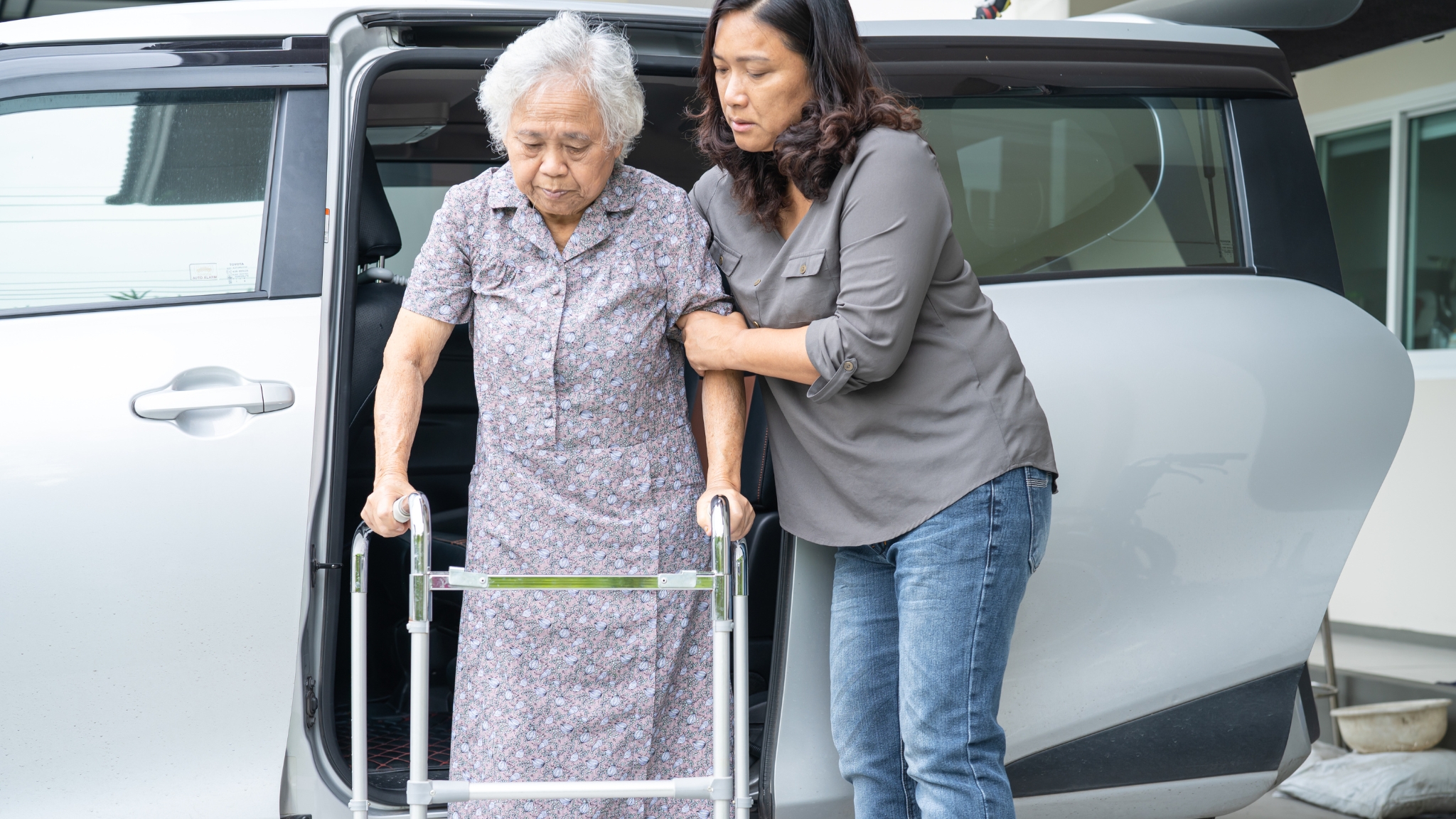

Friendship is often celebrated for its ability to bring joy and companionship, but its role extends far beyond simple happiness, particularly as we age. For seniors, strong friendships are not just a pleasant addition to life; they are a vital component of healthy aging, influencing everything from mental acuity and emotional well-being to physical health and longevity.
Why Is Friendship Crucial for Healthy Aging in Seniors?
Healthy aging is about maintaining functional ability and well-being. Strong social bonds, particularly friendships, are crucial for this. Research shows robust friendships lead to longer, healthier lives, comparable to avoiding smoking or obesity in impact. They reduce stress by offering emotional support, lowering cortisol, and reducing chronic disease risk. Strong social connections also boost immune function, protecting against illness and aiding recovery, especially in community living. Environments fostering these bonds are vital for healthy aging.
How Do Friendships Impact Mental Health for Elderly Loved Ones?
Friendships significantly protect elderly individuals from mental health challenges like depression, anxiety, and cognitive decline. Social engagement provides vital mental stimulation and emotional support, consistently reducing the risk of depression and anxiety by offering purpose, belonging, and validation. Social interaction also enhances cognitive health, stimulating the brain and improving memory, potentially slowing cognitive decline and lowering dementia risk. Friends offer crucial emotional support during difficult times, fostering mental resilience and well-being.
What Are the Physical Health Benefits of Social Connections in Aging?
Friendships significantly boost seniors’ physical health by encouraging activity, better nutrition, and medical adherence. Friends motivate exercise, promote healthy eating, and offer support for medical routines. Studies confirm that socially active seniors have lower rates of chronic conditions like heart disease, illustrating the holistic health benefits of social environments in assisted living.
How Can Loneliness Affect My Aging Parent or Loved One?
Loneliness and social isolation pose significant risks to an aging parent’s or loved one’s health. Prolonged isolation can accelerate cognitive decline, leading to a faster progression of conditions like dementia. It’s also linked to higher mortality rates, with studies showing that social isolation can be as detrimental to health as smoking or obesity. Furthermore, a lack of social interaction weakens the immune system, making seniors more susceptible to illnesses and slowing recovery times.
Families should watch for signs such as a decrease in social activities, reluctance to leave the home, changes in mood or increased irritability, neglect of personal hygiene, and a decline in cognitive function. Recognizing these signs early is crucial. Proactive steps, such as exploring community living options like assisted living facilities, become essential. These environments are designed to combat isolation by offering structured social activities, shared meals, and opportunities for meaningful friendships, thus mitigating these severe health risks and improving overall well-being.
What Role Do Friendships Play in Emotional Well-Being for Seniors?
Friendships provide seniors with a profound sense of purpose and joy, acting as a vital buffer against significant life changes such as the loss of a spouse or the transition into retirement. Companions offer emotional fulfillment that directly combats feelings of irrelevance, which can often accompany these life shifts. Through shared experiences, mutual support, and ongoing engagement, friends help seniors maintain their identity and sense of value. This emotional enrichment is critical for fostering resilience, enabling elderly individuals to navigate challenging times with greater strength and optimism. For families, understanding this aspect of social connection highlights the importance of choosing environments that actively nurture happiness and provide opportunities for meaningful friendships to flourish.
How Can Families Encourage Friendships for Their Elderly Relatives?
Families play a crucial role in fostering friendships for their elderly relatives by actively facilitating social connections.
Here are some practical tips:
- Facilitate Visits: Regularly arrange visits from family and friends. Even short, frequent visits can combat loneliness and provide opportunities for social interaction.
- Encourage Participation in Hobbies and Clubs: Help your loved one discover local clubs, senior centers, or community programs that align with their interests. Whether it’s a book club, gardening group, or card game, shared hobbies are excellent catalysts for new friendships.
- Explore Senior Programs: Research and introduce your relative to various senior programs offered in your community. These often include organized outings, educational classes, and social events specifically designed for older adults.
- Utilize Technology: If appropriate, assist your loved one in using technology to connect with others, such as video calls with distant family members or online interest groups.
- Evaluate Assisted Living Facilities for Social Opportunities: When considering assisted living, prioritize facilities that emphasize social engagement. Look for environments with a robust calendar of events, shared communal spaces, and opportunities for group activities. The Manor Village, for example, offers a variety of events and group activities designed to promote interaction and friendship among residents. Ask about resident-led clubs, community outings, and how the staff encourages new residents to integrate into the social fabric. A vibrant social environment can significantly enhance your loved one’s quality of life and create lasting friendships.
What Makes Assisted Living Ideal for Building Friendships in Later Life?
Assisted living facilities and senior communities are specifically designed to combat isolation by creating environments rich in social opportunities.
These structured communities encourage interaction through various avenues:
- Shared Meals: Communal dining is a cornerstone of assisted living, transforming a daily necessity into a social event. Residents gather in dining rooms for meals, fostering conversations, shared laughter, and the development of acquaintances that can evolve into friendships. This routine interaction builds a sense of community and belonging.
- Organized Outings: Regular outings to local attractions, cultural events, shopping centers, or even scenic drives provide residents with shared experiences and topics of conversation. These excursions not only combat monotony but also offer opportunities for residents to bond over new adventures and shared enjoyment.
- Interest-Based Groups and Activities: A wide array of clubs, classes, and activities caters to diverse interests, from book clubs and gardening groups to art classes and card games. These groups naturally connect individuals with similar passions, providing a common ground for friendship to flourish. Engaging in shared hobbies fosters a sense of purpose and camaraderie.
The Manor Village exemplifies these principles, offering a robust social infrastructure designed to promote meaningful relationships and alleviate family concerns about a loved one’s relocation.
Key features include:
- Resident Lounges and Communal Spaces: Thoughtfully designed common areas, such as comfortable lounges, libraries, and activity rooms, serve as natural gathering spots where residents can relax, socialize, and engage in informal conversations or organized activities.
- Fitness Classes and Wellness Programs: Group fitness classes, yoga sessions, and other wellness programs not only support physical health but also create a social environment where residents can encourage each other and build rapport through shared goals.
- Comprehensive Social Calendar: A dynamic calendar of events, ranging from daily activities to special celebrations, ensures there is always something engaging happening. This structured approach provides numerous opportunities for residents to interact, participate in group events, and form new connections.
By fostering an environment where social interaction is not just encouraged but built into daily life, The Manor Village helps residents combat loneliness, develop strong friendships, and maintain a vibrant quality of life. This proactive approach offers peace of mind to families, knowing their loved ones are in a supportive and engaging community.
Assisted Living at The Manor Village
Choosing The Manor Village means choosing a community where friendship, well-being, and a vibrant social life are at the heart of our philosophy.
We invite you to discover how our nurturing environment can support your loved one in forging new connections, staying engaged, and enjoying a fulfilling life.
Contact us today to learn more about our assisted living and memory care services, and schedule a tour to experience the warmth and camaraderie that define The Manor Village.